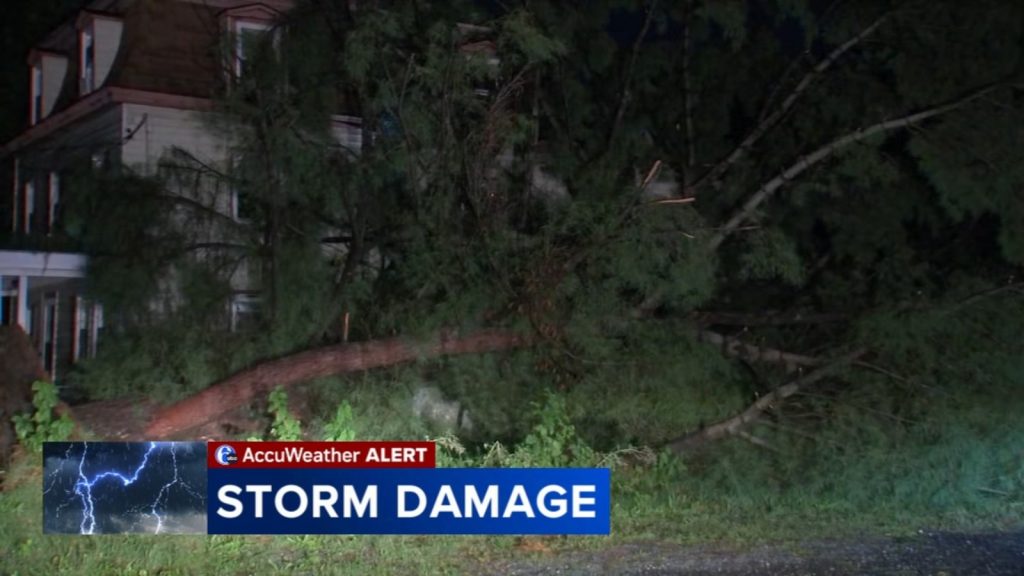



When severe storms northeast residents brace for rolled through the Mid-Atlantic region on Tuesday night, the impact was swift and widespread. Trees toppled across neighborhoods, thousands lost power, emergency crews raced from one call to the next, and even a high-profile concert in South Philadelphia came to an unexpected halt. From Wilmington, Delaware, to the suburbs of South Jersey, the storm system left a trail of damage that residents and local officials spent the overnight hours trying to assess.
While no serious injuries were reported as of late Tuesday night, the event served as a stark reminder of how quickly changing weather conditions can disrupt daily life across the densely populated Northeast corridor. Here’s a complete breakdown of what happened, where the worst damage occurred, and how communities are responding in the aftermath.
A Fast-Moving Storm System Slams the Region
The cluster of severe storms northeast weather forecasters had been tracking all day finally made its presence felt after sunset on Tuesday. What began as ordinary summer thunderstorm activity quickly intensified, producing damaging winds, heavy rainfall, and frequent lightning across parts of Delaware, New Jersey, and Pennsylvania.
The fast-moving nature of the system caught some residents off guard. In Wilmington, Delaware, trees came crashing down along Maryland Avenue, blocking roadways and damaging property. Eyewitnesses described sudden, powerful wind gusts that seemed to arrive within minutes of the first rumble of thunder.
- Widespread downed trees across residential and commercial areas
- Significant power outages affecting thousands of households
- Emergency responses to multiple structural damage reports
- A tornado warning issued for parts of Burlington County
Local meteorologists noted that the atmospheric conditions were primed for severe weather, with warm, humid air at the surface colliding with cooler, drier air aloft , a classic recipe for damaging thunderstorms in the Northeast.
Gloucester County Bears the Brunt of the Damage
Among the hardest-hit areas was Gloucester County, New Jersey, where emergency management officials confirmed a cascade of weather-related incidents throughout the evening. Emergency crews were stretched thin as they responded to numerous calls about downed trees, trees falling onto homes and vehicles, and compromised power lines.
Mantua Township Residents Trapped by Falling Tree
One of the most alarming incidents occurred in Mantua Township, where a large tree came crashing down onto a residential home. According to Action News, two residents were briefly trapped inside the structure following the impact. Emergency responders arrived quickly and were able to extract the individuals safely.
It was not immediately clear whether either of the trapped residents sustained injuries, but the close call underscored the very real dangers that severe storms northeast communities face during peak storm season. Even a single fallen tree can pose life-threatening hazards, particularly when homes are directly in the path of falling limbs or entire trunks.
Reports of Collapsed Structures and Power Line Damage
Beyond the Mantua Township incident, Gloucester County officials reported at least some instances of collapsed structures , a serious concern given the potential for hidden injuries or gas leaks. Downed power lines sparked additional safety concerns, with utility crews and first responders working in tandem to secure affected areas.
County officials issued a clear message to residents in the storm’s wake: stay home if possible. The advisory was meant to keep roads clear for emergency vehicles and utility crews conducting cleanup operations.
Tornado Warning Issued for Burlington County
Adding to the night’s tension, the National Weather Service issued a tornado warning for portions of Burlington County around 9:20 p.m. The alert indicated radar-detected rotation within the storm cell, signaling the potential for a tornado touchdown.
Fortunately, there were no immediate reports of an actual tornado touching down or causing direct tornado-related damage in the warned area. However, the warning itself demonstrated just how volatile the atmosphere had become. Tornado warnings in the Northeast, while not unheard of during the summer months, always trigger heightened emergency response and public vigilance.
Meteorologists often point out that straight-line winds from severe thunderstorms can produce damage nearly identical to that of a weak tornado, which can make post-storm assessments particularly complex. Survey teams may evaluate the hardest-hit areas in the coming days to determine whether any of the damage was tornado-related.
Bruno Mars Concert Evacuated in South Philadelphia
Perhaps the most visible sign of the storm’s intensity came in South Philadelphia, where thousands of Bruno Mars fans had gathered for what was supposed to be an unforgettable night of music. Instead, concertgoers at the stadium were temporarily evacuated as the storm system moved through the area.
Event organizers and venue staff made the call to clear the stands and concourse areas, prioritizing the safety of attendees, performers, and support staff. The decision to halt an event of that magnitude is never taken lightly , venue operators typically have detailed weather monitoring protocols in place, and an evacuation is reserved for situations where lightning, hail, or sustained high winds pose a credible threat.
What Happens During a Concert Evacuation?
When severe weather forces a concert evacuation, venues typically follow a structured process:
- Monitoring of real-time radar and lightning detection systems
- Communication between venue management and local emergency officials
- Announcements directing attendees to sheltered areas or exits
- Suspension of performance until the storm passes
- Assessment of conditions before resuming or canceling the event
For fans who had traveled from across the region to see Bruno Mars perform, the interruption was disappointing , but the absence of any reported injuries at the venue validated the decision to prioritize safety over spectacle. Such concert evacuations Philadelphia has experienced in the past have become more common as weather patterns grow increasingly unpredictable.
The Cleanup Effort Begins
In the hours following the storm, the focus shifted from emergency response to storm cleanup and damage assessment. Crews from local public works departments, utility companies, and emergency management agencies fanned out across affected neighborhoods with chainsaws, bucket trucks, and heavy equipment.
Power Restoration a Top Priority
Utility companies in both New Jersey and Delaware reported significant outages as the storm passed. Restoring power to thousands of affected customers became the most immediate priority, particularly given forecasts for additional warm and humid weather in the days ahead. Without air conditioning and refrigeration, extended outages can quickly become health hazards for vulnerable residents.
Roadway Clearing and Tree Removal
Downed trees blocked numerous roadways across the region, forcing detours and complicating morning commutes. Municipal crews worked through the night to clear primary routes first, then moved into residential streets as conditions allowed. In many cases, residents themselves pitched in, helping clear debris from driveways and sidewalks.
For homeowners whose properties sustained damage, insurance companies were preparing for a wave of claims , particularly for roof damage, vehicle impacts, and structural issues caused by falling trees.
How to Stay Safe During Future Severe Weather
Tuesday night’s event offered several important lessons for residents throughout the Northeast. Severe weather can strike with little warning, particularly during the summer months when atmospheric instability peaks. Here are a few key safety reminders:
- Monitor local alerts: Sign up for emergency notifications from your county or municipality to receive real-time updates about warnings and evacuation orders.
- Have a plan: Identify the safest location in your home , typically an interior room on the lowest floor , in case of a tornado warning.
- Stay indoors during warnings: Even without a confirmed tornado, severe thunderstorms can produce damaging straight-line winds and frequent lightning.
- Avoid travel during cleanup: Downed power lines and unstable trees pose serious risks. Stay home unless travel is absolutely necessary.
- Check on neighbors: Especially the elderly or those living alone, to make sure they are safe and have what they need.
Looking Ahead
While the immediate danger has passed, the recovery process for many communities will take days , and in some cases, weeks. Utility crews will continue working to restore power, insurance adjusters will begin evaluating claims, and structural engineers may be called in to assess buildings that sustained significant damage.
The events of Tuesday night serve as yet another reminder that severe storms northeast residents frequently face are not isolated incidents. Climate trends suggest that intense, fast-moving storm systems are becoming more common in regions not traditionally associated with severe weather. Preparedness, community cooperation, and respect for official warnings remain the best defenses against the dangers these storms bring.
For those affected by the damage, recovery resources , including information on disaster assistance, insurance claims, and emergency shelter , are typically available through local county websites and state emergency management agencies. As always, residents are encouraged to document damage thoroughly and report any injuries, structural issues, or downed lines to the appropriate authorities.
Tuesday’s storm may be in the past, but the lessons it taught about readiness and resilience will resonate well into the remainder of the storm season.

Leave a Reply