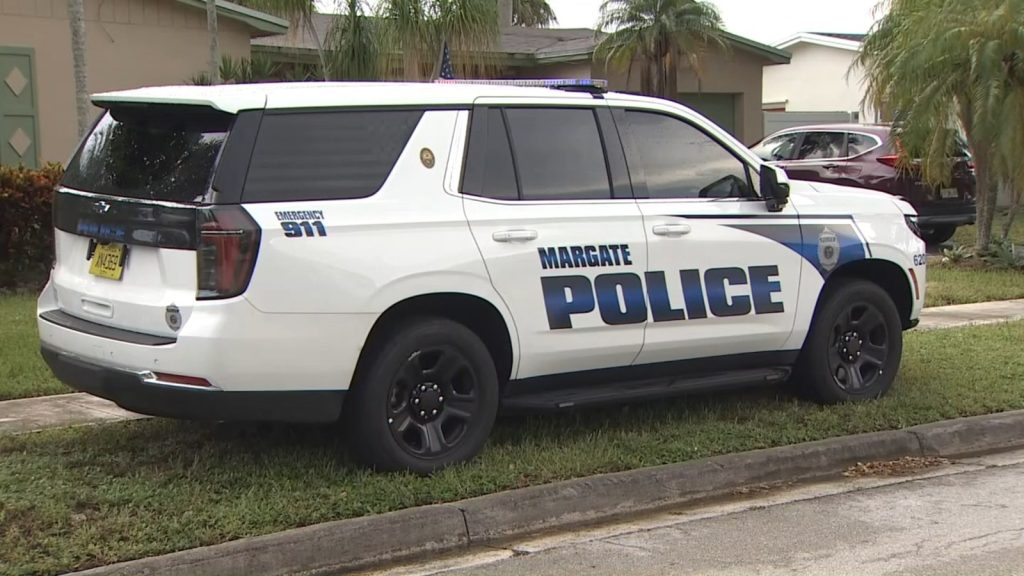



Two lightning strike deaths have left a Florida community in mourning after a 31-year-old mother and her 2-year-old daughter were fatally injured Sunday in Margate, north of Fort Lauderdale. Officials said the pair were found on a sidewalk after lightning struck during a sudden severe-weather event.
The Margate Police Department and Margate Fire Rescue responded to a 911 call shortly after 2:30 p.m. The mother, identified as Kenya Glasgow, and her young daughter were lying on the sidewalk when emergency crews arrived. Witness Prince Moody told ABC Miami that the two appeared to have just gotten out of their vehicle when the lightning incident occurred.
Both victims were quickly transported to nearby hospitals under police escort. Glasgow was taken to North Broward Medical Center in Deerfield Beach, while her daughter was taken to Broward Health Medical Center in Fort Lauderdale. Despite immediate medical treatment, both were pronounced dead shortly after arriving.
What Happened in Margate?
According to the Margate Police Department, first responders received a report that two people had been struck by lightning. Crews immediately performed cardiopulmonary resuscitation and other lifesaving measures at the scene before continuing emergency care during transport.
Moody, who witnessed the aftermath, described the scene as deeply traumatic. He said he went outside after seeing an orange glow through a window and learning from his son that a woman had been hit. He offered assistance, comforted relatives, called 911 and began praying.
The Margate Police Department is continuing to investigate the circumstances surrounding the lightning strike. Authorities have not released further details, including the exact point of impact or whether any weather warnings or advisories were in effect at the time.
A Community Grieves an Unimaginable Loss
The deaths of a parent and child are especially devastating for the Margate community, where police, firefighters, hospital workers and witnesses all worked within minutes of the emergency. Authorities have not publicly identified the child beyond stating that she was 2 years old.
Lightning incidents can unfold with astonishing speed. A flash may occur before people have time to seek shelter, particularly when a storm is close enough for thunder to be heard. Because lightning can travel several miles away from the center of a thunderstorm, conditions may remain dangerous even when rain has stopped or the visible storm appears distant.
The tragedy also underscores that lightning does not need to produce a direct hit to cause catastrophic injuries. People can be endangered by a nearby strike through the ground, through conductive surfaces or through contact with vehicles, buildings or other objects. The details of how the victims were affected have not been released, however, and should not be inferred beyond the official account.
Essential Lightning Safety Guidance
Safety experts consistently recommend going indoors at the first sound of thunder. A substantial building offers the best protection. If that is not possible, a fully enclosed, metal-topped vehicle can provide a safer alternative.
Places to Avoid During a Thunderstorm
- Open areas: Fields, parking lots, beaches, golf courses and sports fields leave people highly exposed.
- Tall or isolated objects: Trees, poles, towers and other prominent features are dangerous during lightning activity.
- Water: Swimming pools, lakes, rivers and the ocean should be left immediately, as water conducts electricity.
- Porches, balconies and garages: Open-sided structures generally do not provide adequate lightning protection.
- Hard-wired equipment: Avoid using plugged-in computers, appliances and other electronic devices connected to building power.
Safer Alternatives
- Move into a substantial building with walls, a roof and working utilities.
- Stay inside for at least 30 minutes after the final thunderclap.
- Close windows and doors and avoid plumbing, including showers and sinks.
- If a secure building is unavailable, enter a hard-topped vehicle, close the windows and avoid touching metal components.
- Check local forecasts and weather alerts before allowing children to play outside or travel to parks, playgrounds or other exposed locations.
A simple rule can reduce confusion during rapidly changing conditions: “When thunder roars, go indoors.” Waiting to see lightning may be too late because thunder signals that a storm is already close enough to be hazardous.
What to Do After a Lightning Strike
People who are injured by lightning need medical attention immediately. Call 911, check for breathing and a pulse, and begin CPR if the person is unresponsive and not breathing normally. Use an automated external defibrillator if one is available and follow the device’s instructions.
- Contact emergency services immediately. Provide the exact location and explain that a lightning strike may have occurred.
- Begin lifesaving care when appropriate. CPR and defibrillation can be crucial after cardiac arrest.
- Address other injuries. Burns, trauma, confusion and breathing problems may require professional medical evaluation.
- Protect the scene. If thunder is continuing, move to a safer location when doing so does not delay urgent care.
- Avoid secondary risks. Fallen electrical lines, flooding, fire and additional lightning can threaten bystanders and responders.
Someone struck by lightning does not retain an electrical charge, so it is generally safe to touch the person and provide assistance. The urgent need is rapid medical response rather than waiting for symptoms to change. Even if an individual briefly appears to recover, emergency evaluation is strongly advised.
Why Florida Thunderstorms Demand Extra Caution
Florida’s climate, geography and frequent summer thunderstorms make lightning awareness especially important throughout much of the year. Warm, moist air can help produce strong storms, while the state’s large coastline contributes to the development of sea-breeze thunderstorms. These conditions can develop quickly, particularly during periods of high heat and humidity.
Daily routines such as walking from a parked car to a home, waiting at a school-bus stop, attending a youth sporting event or spending time near a pool can become hazardous with little warning. Families should know where the nearest substantial building or enclosed vehicle is located and make shelter part of their severe-weather plan.
Although Florida’s lightning strike deaths are tragic, many injuries can be prevented through prompt action. Outdoor activities should be stopped as soon as thunder is heard, and everyone should remain in a protected location until at least 30 minutes have passed since the last thunderclap.
The Investigation Continues
Margate police have not provided additional information beyond their initial release. The circumstances of the lightning strike, the storm’s distance from the victims and the sequence of events leading to the emergency remain under investigation.
As the investigation continues, Glasgow’s family and the wider Margate community face the loss of a mother and child in an event witnesses described as emotionally overwhelming. The official response,including rapid dispatch, emergency treatment, police escorts and continued investigation,reflects the severity of the incident.
Conclusion
The lightning strike deaths of Kenya Glasgow and her 2-year-old daughter are a painful reminder that severe weather can turn dangerous within moments. While authorities work to establish the full circumstances, the available details confirm that both victims received immediate emergency care but could not be saved.
For families and communities, the clearest lesson is to treat every thunderclap as a warning. Move indoors, avoid water and exposed objects, remain in a safe structure after the storm passes, and act immediately if someone is struck. Lightning safety cannot prevent every tragedy, but awareness and fast decisions can save lives.

Leave a Reply